
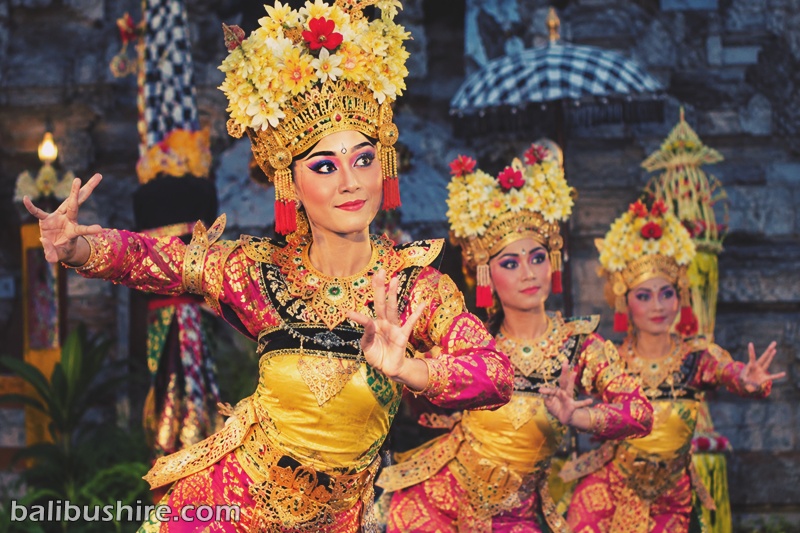
Bali dance is one of the most fascinating aspects of Balinese culture and a major attraction for visitors exploring the Island of the Gods. Traditional Balinese dance combines graceful movements, expressive facial expressions, colorful costumes, symbolic hand gestures, and rhythmic traditional music to tell stories from Hindu epics, ancient legends, religious traditions, and everyday Balinese life.
For centuries, dance has played an important role in Balinese society, serving not only as entertainment but also as a form of spiritual expression and a way to preserve the island’s rich cultural heritage.
When visiting Bali, watching a traditional Balinese dance performance is an excellent way to experience the island’s unique artistic traditions. From the famous Kecak Fire Dance in Uluwatu to the elegant Legong Dance in Ubud, each performance offers a different perspective on Bali’s history, mythology, religious beliefs, and artistic creativity.
The History and Cultural Significance of Balinese Dance
Traditional Balinese dance has developed over many centuries under the influence of Hinduism, local customs, royal courts, and community traditions. Dance is closely connected to Balinese Hindu ceremonies and is frequently performed at temples, religious festivals, cultural celebrations, and important community events.
In Bali, dance is more than a theatrical performance. Many traditional dances are considered sacred offerings to the gods and are performed as part of religious rituals. Other dances are created primarily for visitors and cultural audiences, allowing local artists to share their heritage with people from around the world.
Balinese dance is especially admired for its precise movements, expressive eyes, intricate finger gestures, and coordinated body positions. Dancers communicate emotions through subtle changes in their facial expressions, movements of the head, and carefully controlled gestures of the hands and fingers. These techniques require years of practice, discipline, and dedication.
Traditional Balinese dance is generally accompanied by a gamelan orchestra, a collection of traditional musical instruments that includes metallophones, gongs, drums, and cymbals. The energetic rhythms and changing musical patterns guide the dancers throughout the performance, creating a powerful combination of sound, movement, and storytelling.
Popular Types of Traditional Balinese Dance
Bali has many different dance styles, each with its own history, purpose, costumes, and performance techniques. Some dances are associated with religious ceremonies, while others are widely performed on cultural stages and at tourist attractions.
1. Barong Dance
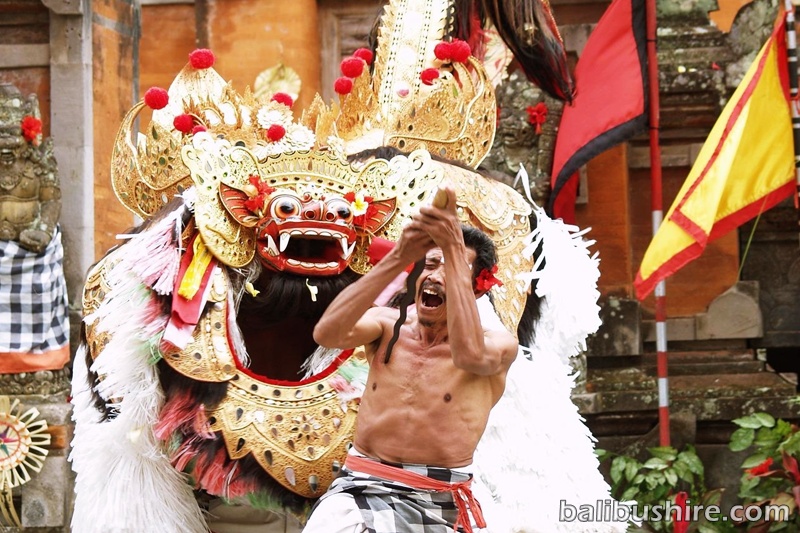
The Barong Dance is one of Bali’s most recognizable traditional performances. It tells a symbolic story of the eternal struggle between good and evil, commonly represented by Barong, a protective creature, and Rangda, a powerful figure associated with dark forces.
Barong is often portrayed as a lion-like creature with elaborate fur, a decorated mask, and colorful ornaments. The performers move the large costume with remarkable coordination, bringing the character to life through playful, dramatic, and sometimes frightening movements.
The performance reflects important ideas in Balinese Hindu philosophy, particularly the balance between opposing forces in the world. Barong Dance shows are popular in cultural villages and performance venues around Bali, including the Batubulan area.
2. Kecak Fire Dance
The Kecak Dance is one of the most famous cultural attractions in Bali. Unlike many traditional Balinese performances, it does not rely on a gamelan orchestra. Instead, a large group of male performers sits in a circle and produces rhythmic vocal sounds, creating a distinctive musical accompaniment.
The performance commonly tells episodes from the Ramayana, the ancient Hindu epic about Prince Rama, Princess Sita, and the struggle against the demon king Ravana. Hanuman, the heroic white monkey, is an important character in many Kecak performances.
One of the best-known places to watch the Kecak Fire Dance is Uluwatu Temple, where performances are often staged outdoors against the backdrop of the Indian Ocean at sunset. The combination of chanting, dramatic storytelling, traditional costumes, and fire creates a memorable cultural experience.
3. Legong Dance
Legong Dance is admired for its elegance, refined movements, and detailed costumes. Traditionally associated with young female dancers, this classical Balinese dance features intricate hand gestures, expressive eyes, precise footwork, and carefully synchronized movements.
Legong performances often draw inspiration from royal court traditions, classical stories, and Balinese mythology. The dancers wear richly decorated costumes, golden headdresses, and elaborate accessories that enhance the visual beauty of the performance.
Ubud is one of the best-known places to experience Legong Dance, with traditional performances often held at cultural venues and palace courtyards. Watching Legong Dance provides visitors with a deeper appreciation of the technical skill and artistic discipline required in classical Balinese dance.
4. Pendet Dance
Pendet Dance originated as a sacred welcoming dance associated with Balinese Hindu temple ceremonies. Traditionally, dancers carry small containers or bowls of flowers, which are scattered as symbolic offerings and expressions of respect.
Over time, Pendet also developed into a welcoming performance for cultural events, festivals, and visitors. The dance features graceful movements, expressive gestures, and beautiful traditional costumes.
Pendet is often performed to welcome guests and celebrate special occasions. Its gentle movements and symbolic use of flowers reflect the Balinese values of hospitality, devotion, and gratitude.
5. Baris Dance
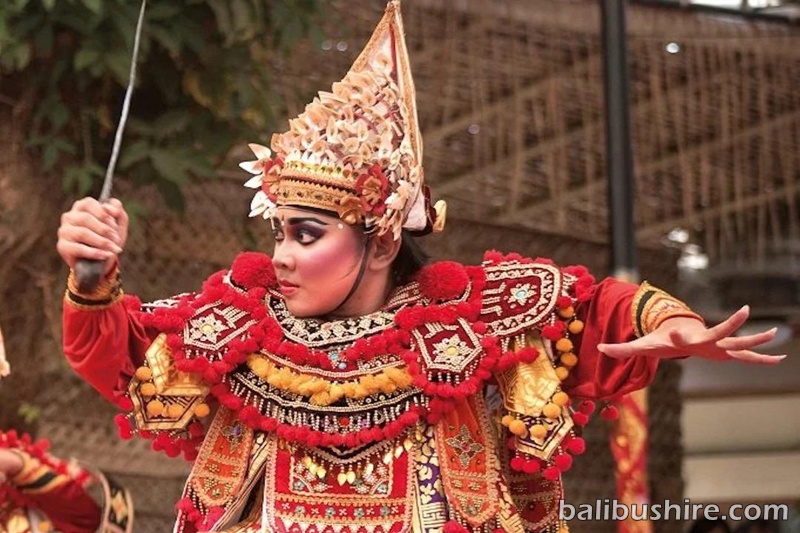
Baris Dance is a traditional Balinese dance that portrays the strength, discipline, and courage of a warrior. The word baris is associated with a line or formation, reflecting the dance’s historical connections with warriors and military traditions.
Dancers perform powerful movements using their eyes, shoulders, arms, and legs to express determination and readiness for battle. Their costumes may include traditional warrior clothing, decorative accessories, and weapons such as spears.
Different forms of Baris Dance exist throughout Bali. Some are performed as sacred dances during religious ceremonies, while others are presented as artistic performances for cultural audiences.
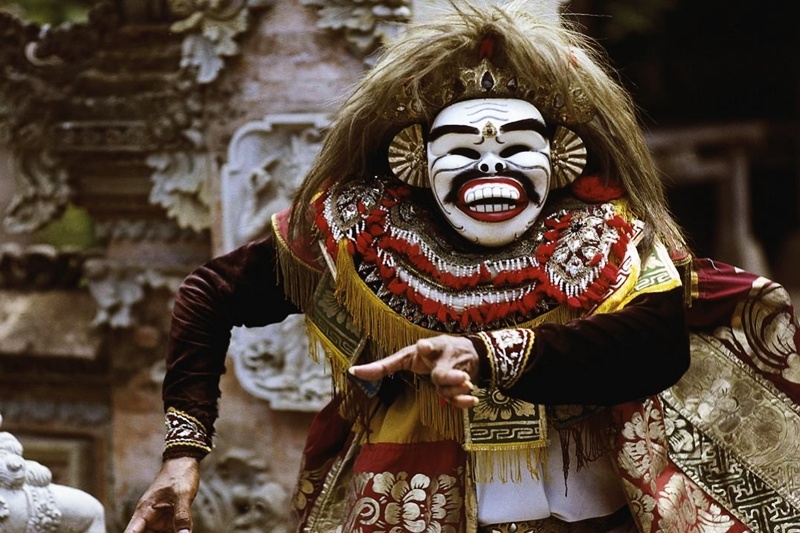
6. Topeng Mask Dance
Topeng is a traditional Balinese mask dance that combines movement, acting, storytelling, and music. Performers wear masks representing different characters, such as kings, ministers, elderly people, and comic figures.
The stories may explore royal history, moral lessons, local legends, and social behavior. Through changes in posture, gestures, and voice, performers bring each character to life and communicate different personalities.
Topeng Dance demonstrates the close relationship between Balinese performing arts, traditional storytelling, and community values.
7. Janger Dance
Janger is a lively Balinese group dance traditionally involving young men and women. The performance combines coordinated movements, rhythmic singing, and playful interactions between the performers.
Its cheerful atmosphere makes Janger different from some of the more formal classical dances. It is often associated with community entertainment, social gatherings, and cultural celebrations.
The dance highlights the importance of cooperation, musical rhythm, and community participation in Balinese performing arts.
Traditional Balinese Dance Costumes and Musical Instruments
One of the most striking features of Balinese dance is the elaborate traditional clothing worn by the performers. Costumes vary according to the dance style and character being portrayed, but frequently include brightly colored fabrics, golden decorations, intricate jewelry, and ornate headdresses.
Makeup and masks are also important elements of many performances. They help communicate a character’s personality, age, social position, or supernatural qualities. The dramatic expressions created through masks and makeup make traditional dance stories easier for audiences to follow.
Traditional gamelan music provides the rhythmic foundation for many Balinese dances. The orchestra may include bronze metallophones, large hanging gongs, drums, cymbals, and other instruments. Musicians work closely with the dancers, adjusting the tempo and intensity to match the movements and dramatic moments of the story.
The relationship between music and movement is essential to the performance. Fast rhythms can accompany energetic scenes, while slower passages create a more graceful or solemn atmosphere.
Where to Watch Traditional Balinese Dance in Bali
Visitors can enjoy traditional Balinese dance performances in several parts of the island. Ubud is particularly well known for its cultural attractions, traditional arts, and evening dance programs. Other popular locations include Uluwatu, Batubulan, and selected temples and cultural villages.
Ubud is an excellent destination for visitors interested in classical Balinese dance, including Legong and other traditional performances. Shows are often organized at palace courtyards and cultural venues, allowing visitors to experience dance within a historic setting.
Uluwatu Temple is famous for its sunset Kecak Fire Dance. The dramatic ocean views and cliffside setting make it one of the most memorable places to watch a performance.
Batubulan Village is well known for traditional Barong and Keris Dance performances. The village has a long association with Balinese performing arts and is a popular stop on cultural sightseeing tours.
Visitors should check current performance schedules, ticket prices, and venue arrangements before traveling, as programs can vary depending on the location and season.
Experience Bali Dance on a Cultural Tour
Watching traditional Balinese dance can be included in a private Bali sightseeing tour, allowing visitors to combine cultural performances with visits to temples, traditional villages, rice terraces, and other attractions.
For example, a cultural day trip might include exploring Ubud, visiting a traditional art village, discovering the famous Tegalalang Rice Terraces, and attending a Legong Dance performance in the evening. Alternatively, visitors can explore southern Bali, visit Uluwatu Temple, enjoy the ocean views, and watch the Kecak Fire Dance at sunset.
Travelers staying in Kuta, Seminyak, Canggu, Sanur, Nusa Dua, or other parts of Bali can arrange transportation according to their preferred itinerary. A private car or minibus with a driver can make it easier for couples, families, and larger groups to visit multiple attractions comfortably.
When planning a dance performance, allow enough time for traffic, parking, ticket collection, and finding your seats. Popular shows, especially the sunset Kecak performance at Uluwatu, may attract large audiences, so booking tickets in advance is advisable.
Why You Should Watch a Balinese Dance Performance
Traditional Balinese dance offers more than beautiful costumes and impressive movements. It provides insight into the island’s spiritual beliefs, history, storytelling traditions, and community life. Each dance has its own character, from the elegance of Legong to the dramatic chanting of Kecak and the symbolic battle between Barong and Rangda.
Whether you are visiting Bali for the first time or returning to explore more of its cultural heritage, attending a traditional dance performance is a rewarding experience. It allows you to appreciate the dedication of local performers and understand why dance remains such an important part of Balinese identity.
Bali dance is an unforgettable expression of the island’s living culture. By experiencing traditional Balinese dance in Ubud, Uluwatu, Batubulan, or another cultural destination, visitors can discover the artistry, mythology, music, and spiritual traditions that make Bali one of Southeast Asia’s most distinctive cultural destinations.
Photo Gallery Balinese Dance
We are very happy to be lead and show the attractions you visit so that will also show places that are still unique attractions such as Balinese dance, Balinese customs, Panorama Bali and Local Handicrafts with Bali’s price is very cheap. And you can design a tour or a tour that will visit.
Don’t waste your time…
Call our 24 hours hot line (WhatsApp) at: +(62) 81-2397-7705
E-mail: info @ balibushire.com for further information. You can also reach us via Skye to discuss your travel needs and plans.