
Thursday | May 7th, 2026
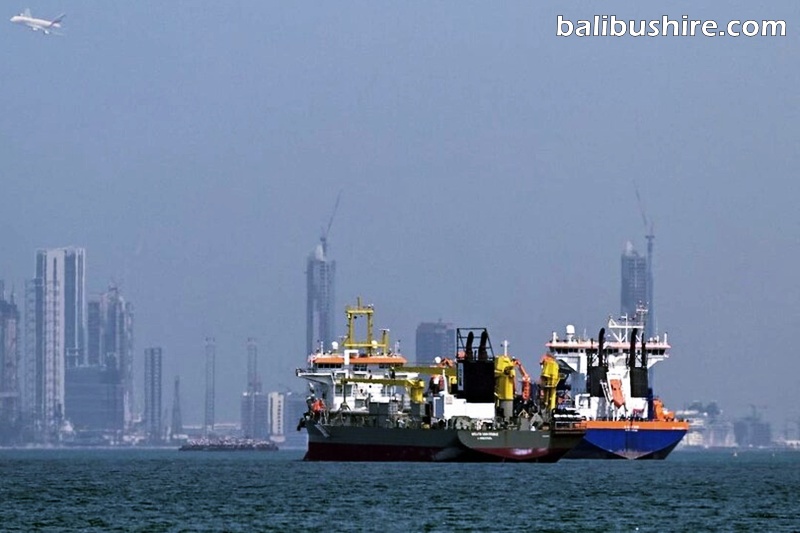
About 1,600 ships remain stranded near the strategically vital Strait of Hormuz, highlighting the enormous disruption that the ongoing regional conflict has inflicted on global shipping and energy markets. Shipping companies now face a dangerous and financially punishing dilemma as they wait for rare windows of opportunity to safely move vessels through one of the world’s most critical maritime corridors. For more than two months, many operators have chosen to keep their ships anchored or drifting in holding areas rather than risk a potentially catastrophic transit through the contested waterway.
An effort by Donald Trump to provide limited US military protection for commercial vessels proved short-lived. The operation, described by officials as an attempt to “guide” ships through the strait, lasted only 48 hours and resulted in just two vessels successfully completing the passage under escort. After that brief mission ended, shipping companies were once again left to make difficult decisions on their own amid continuing fears of missile attacks, drone strikes, and escalating military activity in the region.
Without consistent naval protection, many companies have concluded that the risks of transit currently outweigh the potential rewards. Executives are reluctant to expose crews, cargo, and multimillion-dollar vessels to possible attack. Allowing ships to continue through the strait could place hundreds of seafarers in direct danger while also threatening valuable oil, liquefied natural gas, and commercial cargo shipments destined for markets around the globe.
The Strait of Hormuz is widely regarded as one of the world’s most important maritime chokepoints. The narrow passage connects the oil-rich Persian Gulf with international waters and serves as a gateway for energy exports from countries such as Saudi Arabia, Iraq, Kuwait, the United Arab Emirates, and Qatar. Before the conflict erupted, roughly 20% of the world’s oil production and a substantial share of global liquefied natural gas exports passed through the strait each day, making it indispensable to the global economy. Iran controls the northern side of the waterway, giving Tehran significant strategic influence over shipping traffic in the area.
The financial stakes for shipping companies are immense. Modern oil tankers and cargo vessels can cost hundreds of millions of dollars to build and maintain. Any successful missile strike or naval incident involving one of these ships could create devastating logistical and economic consequences, not only for the vessel owner but also for insurers, energy markets, and global supply chains. Beyond the physical damage, a single attack could disrupt shipping schedules for months and lead to sharp increases in transportation and energy costs worldwide.
Insurance has become another major obstacle for operators considering transit through the region. Many maritime insurance policies include wartime clauses that allow insurers to limit or refuse coverage when vessels enter active conflict zones. As a result, companies moving ships through the strait may be forced to do so without full financial protection. The possibility of losing a ship, cargo, or crew without adequate insurance compensation has made many operators extraordinarily cautious.
Gene Seroka, executive director of the Port of Los Angeles, said shipping companies require a “very specific assessment” before deciding whether to move vessels through the dangerous corridor. According to Seroka, operators need far greater confidence that the route can be traversed safely before they are willing to resume normal commercial activity. Even temporary military escorts may not be enough to reassure companies while the threat of sudden attacks remains high.
The human toll of the conflict at sea is also growing. Since the war began, 32 commercial ships have reportedly been struck by missiles, according to the International Maritime Organization. Those attacks have killed 10 people and injured at least a dozen others, underscoring the severe risks faced by civilian crews operating in the region. The IMO has repeatedly urged ships to “exercise maximum caution” while navigating nearby waters and warned that relying on naval escorts cannot serve as a sustainable long-term solution for global maritime trade.
As tensions continue, the crisis in the Strait of Hormuz threatens to ripple far beyond the Middle East. Prolonged disruptions to shipping traffic could drive up oil prices, increase inflationary pressures worldwide, and further strain already fragile international supply chains. Until security conditions improve, thousands of sailors and billions of dollars in cargo may remain trapped in one of the world’s most dangerous waterways.